




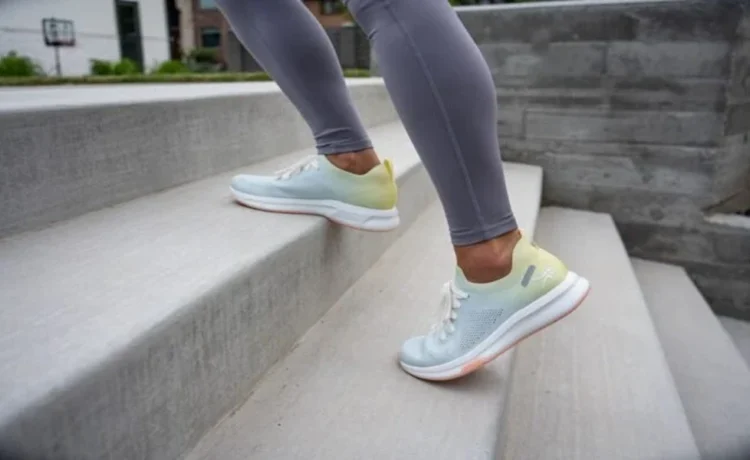
There is a particular kind of tiredness that appears after spending hours moving between appointments, shopping, commuting, or completing household tasks. Even when the activity is not especially strenuous, your feet may feel uncomfortable by evening. People researching Vionic shoes, a brand known for contoured footbeds and built-in arch support, are often looking for footwear that supports everyday movement. However, improving comfort involves more than purchasing a new pair. It also requires examining your daily habits, the surfaces you walk on, and how you recover after demanding periods.
Notice What Your Feet Experience
Your feet experience different pressures throughout the day. Walking across carpet feels different from standing on kitchen tiles, while climbing stairs places different demands on the foot than sitting at a desk. These variations help explain why footwear that feels comfortable during one activity may be less suitable for another.
Spend several days noticing when discomfort appears. Perhaps your heels become tired after shopping, or your forefeet feel crowded during long commutes. Understanding these patterns gives you a more useful starting point than selecting footwear solely because it has a reputation for comfort.
Separate Activity From Recovery
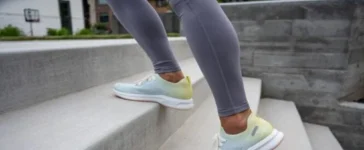
Footwear designed for active movement and footwear intended for relaxed recovery do not necessarily serve the same purpose. Walking shoes usually prioritize secure fit, stability, and repeated movement. Supportive Vionic styles fit this category well, with contoured footbeds that suit long days of walking and errands. Recovery-oriented designs may emphasize cushioning and a relaxed feeling during lighter activities.
For example, OOFOS sandals are built for the recovery side of the day, with a soft, cushioned foam footbed that many people slip on after a workout, a long shift, or a day of errands. They suit relaxed evenings at home and casual outings alike. However, soft cushioning should not be mistaken for medical treatment. Personal comfort varies, and persistent foot pain deserves assessment by a qualified healthcare professional.
Consider Your Indoor Walking Habits
Many people carefully select outdoor shoes but give little thought to what they wear at home. Hard flooring can make extended periods of standing uncomfortable, particularly when preparing meals, cleaning, or completing other household activities.
A supportive indoor footwear option may feel preferable to walking barefoot for some individuals. Consider the grip of the outsole, how securely the shoe stays on your foot, and whether it suits your household flooring. Loose footwear can become inconvenient when carrying laundry or moving quickly between rooms.
Understand How Cushioning Feels Different
Cushioning is not simply a question of softness. Some footwear compresses noticeably under pressure, while other designs provide a firmer platform. Neither approach is automatically better for everyone. Your preferred sensation may depend on your walking pattern, body weight, and the activities you perform.
Try comparing different styles during a short walk. Notice whether your heel feels stable, whether your toes move naturally, and whether the shoe bends comfortably. Excessive softness may feel unstable to some wearers, while overly firm materials may create unwanted pressure for others.
Build Small Breaks Into Your Day
Changing footwear cannot replace sensible movement habits. If your schedule involves prolonged standing, short opportunities to sit down may help reduce fatigue. Similarly, people who remain seated for extended periods can benefit from standing and moving periodically.
You do not need an elaborate routine. Walking around the room, changing position, or performing gentle ankle movements can introduce variety into an otherwise repetitive day. The goal is to avoid remaining in one position for unnecessarily long periods.
Choose Materials for Your Environment
Warm indoor conditions may make breathable materials more appealing, particularly for people whose feet perspire easily. In cooler environments, greater coverage may feel comfortable. Material choice also influences how easily footwear can be cleaned and maintained.
Consider your everyday surroundings before choosing a style. Someone who frequently steps outdoors may prefer a durable sole that tolerates occasional moisture. Another person may prioritize lightweight construction for indoor use. The most suitable option depends on practical circumstances rather than seasonal fashion alone.
Create a Simple Evening Routine
After a demanding day, remove your shoes and inspect your feet for areas of rubbing or irritation. Allow footwear to air out before storing it. If the materials permit, gently clean visible dirt and leave the pair somewhere ventilated.
It can also help to prepare tomorrow’s footwear in advance. Check that the insoles sit correctly and that the soles are not excessively worn. These small actions reduce morning inconvenience and make it easier to notice when a familiar pair is no longer performing comfortably.
Conclusion
Everyday foot comfort comes from understanding how you move, selecting footwear for different activities, and making time for recovery. Cushioning, stability, breathability, and fit all deserve attention, but individual preferences remain important. Rather than expecting one pair to handle every situation, consider how different designs fit into your routine. For readers comparing practical footwear categories and everyday styles, fitnshoes.com provides an additional place to explore available options while making informed decisions about comfort.