





Key Takeaways
- Traditional rebonding aims for a pin-straight, ironed look, while soft rebonding focuses on removing frizz while maintaining natural volume.
- Soft rebonding uses milder chemicals and a different ironing technique to prevent the hair from looking flat or stuck to the scalp.
- The soft rebonding price is typically slightly higher due to the specialised products and the precision required by the stylist.
- Soft rebonding is more suitable for those with damaged or fine hair, as it is less aggressive than the traditional method.
Introduction
For decades, rebonding was the go-to solution for anyone in Singapore struggling with the inevitable frizz caused by our humid climate. We all remember the classic rebonded look of the early 2000s: hair so straight it looked almost like glass, often lacking movement or volume. While it was highly effective at taming curls, it did not always produce the most natural-looking result. Today, rebonding techniques have evolved to create smoother, healthier-looking hair with a softer finish.
If you are researching different hair straightening treatments, you have probably come across terms such as soft rebonding, silk rebonding, and volume rebonding. While they sound similar, they produce noticeably different results. Understanding these differences helps you choose the treatment that best suits your hair type, lifestyle, and styling preferences.
What Is the Difference Between Soft Rebonding and Traditional Rebonding?
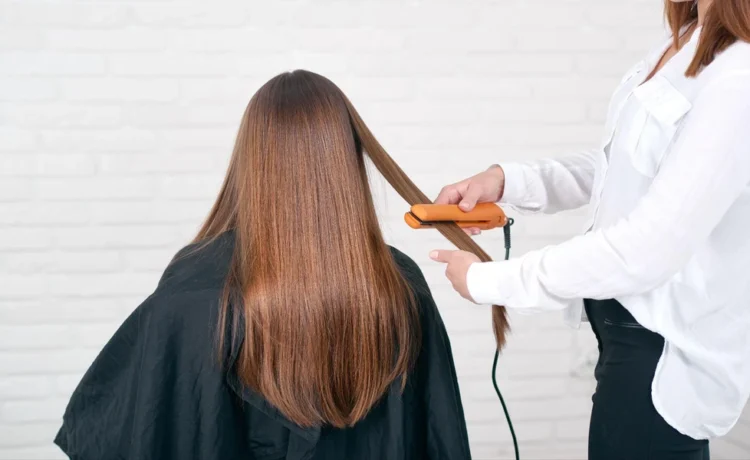
The biggest difference lies in the final appearance of the hair. Traditional rebonding is designed to completely straighten the hair, creating a sleek, pin-straight finish from roots to ends. Soft rebonding, on the other hand, focuses on reducing frizz while preserving natural movement and volume, resulting in hair that looks smooth without appearing overly flat.
The treatment methods also differ. Traditional rebonding uses stronger chemical formulations to completely restructure the hair bonds before sealing them with high heat. Soft rebonding relies on gentler formulas that relax the hair instead of completely reshaping it. As a result, the hair retains more flexibility, softness, and natural bounce while still becoming significantly easier to manage.
Is Soft Rebonding Better for Damaged Hair?
Soft rebonding is generally considered a better option for hair that has been coloured, bleached, or chemically treated because it uses milder ingredients that place less stress on the hair shaft. Instead of aggressively breaking down the internal structure, the treatment gently smooths the hair while helping it retain more moisture and elasticity.
Although the hair rebonding price in Singapore may vary depending on hair length, condition, and the products used, many clients choose soft rebonding because it balances smoothness with long-term hair health. The gentler process often results in shinier, softer hair that remains easier to style after the treatment.
Why Does Soft Rebonding Look More Natural?
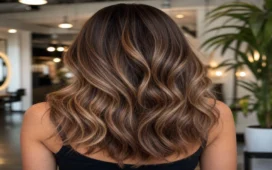
Soft rebonding produces a more natural finish because the stylist adjusts both the ironing technique and the hair’s final shape. Rather than pressing every strand completely flat, slight curves are maintained at the roots and ends, allowing the hair to move naturally when you walk or style it.
This subtle movement prevents the overly straight appearance commonly associated with older rebonding techniques. Instead of looking stiff, the hair has body, shine, and softness that resemble a professional blow-dry. The result is polished hair that remains suitable for both everyday wear and formal occasions.
Why Is the Soft Rebonding Price Higher?
Many people notice that the soft rebonding price is sometimes slightly higher than traditional rebonding. This is because the treatment requires specialised products, careful monitoring, and a higher level of technical precision from the stylist.
Unlike conventional rebonding, soft rebonding cannot rely solely on stronger chemicals to achieve the desired result. The stylist must carefully assess how the hair responds throughout the process and adjust the technique accordingly. This additional expertise helps create smoother, healthier-looking hair while reducing the risk of excessive damage, making the investment worthwhile for many clients.
How Long Does Soft Rebonding Last?
Soft rebonding typically lasts several months, depending on your natural hair growth and maintenance routine. Because the treated hair blends more gradually with new growth, the transition is less obvious than with traditional rebonding, allowing you to extend the time between salon visits.
Maintaining the results is relatively simple. Using sulphate-free shampoos, moisturising conditioners, and regular hair treatments helps preserve softness and shine. Since the hair retains more flexibility, it is also easier to curl or style occasionally without looking overly stiff, making soft rebonding a versatile option for everyday wear.
Conclusion
Choosing between soft and traditional rebonding depends on the look you want to achieve. Traditional rebonding remains suitable for those seeking maximum straightness, while soft rebonding is ideal for anyone who wants smoother, healthier-looking hair that still has natural movement and volume. With its gentler process and more modern finish, soft rebonding continues to be a popular choice for people who value both style and hair health.
If you are ready for silky, manageable hair that still has plenty of life, get in touch with Picasso Hair Studio today to find out which treatment is best for you.